Food Storage for Restaurants in Saudi Arabia: A 2026 Supply Guide
Running a successful kitchen depends on what happens before the first order lands. Smart food storage for restaurants protects ingredient quality, cuts waste, and keeps your menu available even when deliveries run late. In 2026, Saudi Arabia’s booming dining and retail scene makes storage strategy a genuine competitive edge.
This guide walks restaurant owners, caterers, wholesalers, and retailers through the storage tiers they need, how to stay compliant with Saudi food-safety rules, and how outsourced warehousing can stabilise a fast-growing F&B business. The same principles help retail distributors keep shelves stocked across Riyadh, Jeddah, and Dammam.
Why Food Storage Strategy Matters
Food is perishable, regulated, and expensive to waste. A restaurant that stores poorly loses money three ways: spoiled ingredients, failed inspections, and stockouts that force dishes off the menu. Good storage prevents all three.
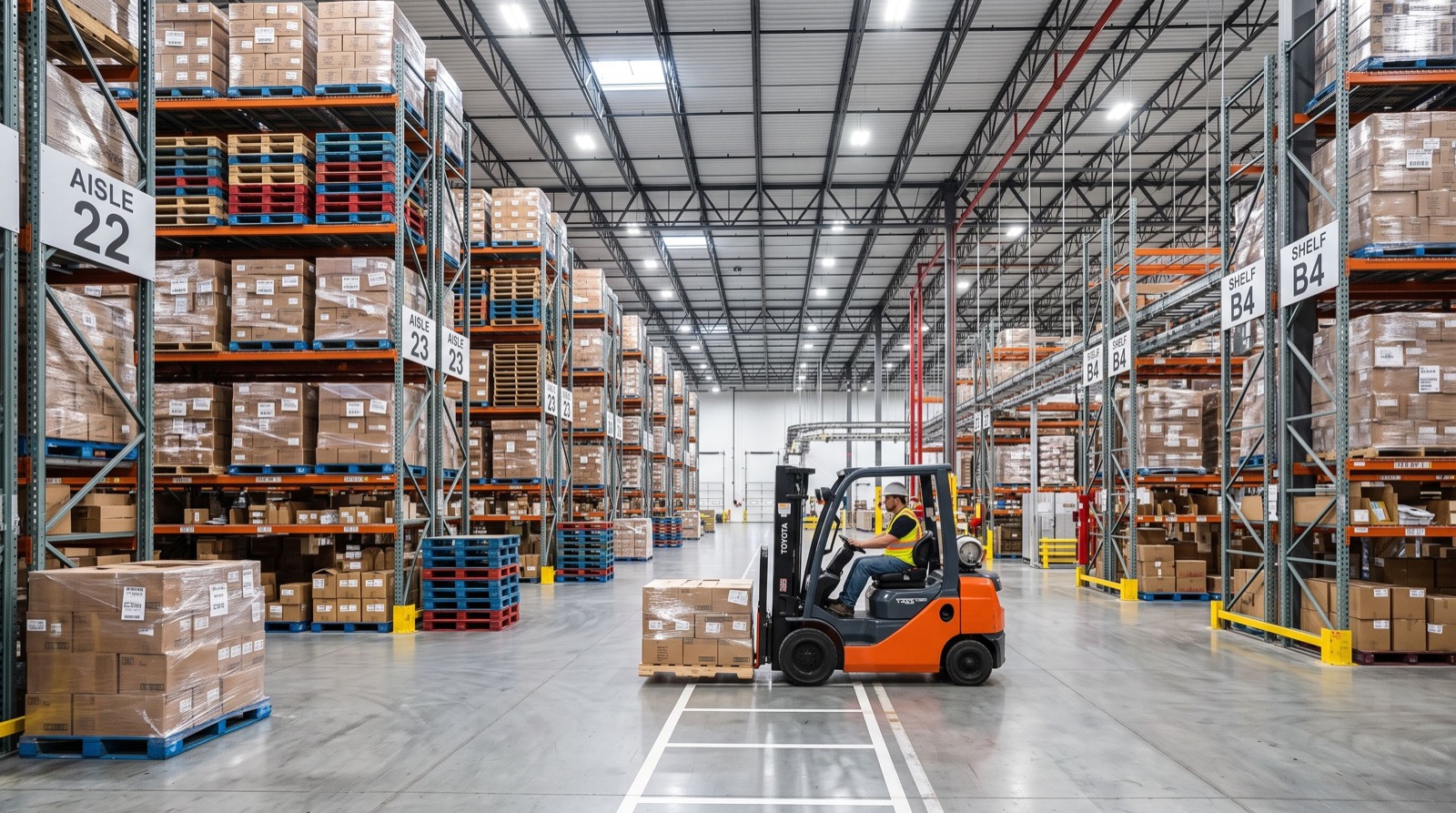
The Kingdom’s hospitality sector is expanding quickly under Vision 2030 tourism goals, which means more covers, more suppliers, and more pressure on kitchens to manage inventory professionally. Specialist Storage for Restaurants services give operators proper temperature zones and reliable replenishment without building their own cold rooms.
Effective food storage delivers clear wins:
- Longer ingredient shelf life and less spoilage
- Consistent menu availability, even in peak season
- Compliance with Saudi food-safety standards
- Better cash flow through bulk buying and waste control
- Freed-up kitchen space for cooking, not storing
Matching Food to the Right Storage Zone
Every ingredient has an ideal environment. The core skill of food storage for restaurants is sorting your inventory into the correct temperature tier and never letting items drift between them.
| Storage zone | Typical temperature | Best for |
|---|---|---|
| Dry / ambient | Room temperature | Grains, flour, canned goods, oils, spices |
| Chilled | ~2–8°C | Dairy, fresh produce, prepared sauces |
| Frozen | -18°C or below | Meat, poultry, seafood, ice cream |
Cross-contamination risk makes separation essential. Raw proteins must never share space with ready-to-eat items, and allergens need isolated zones. A professional facility designs these separations into its layout from day one.
How should restaurants handle cold-chain deliveries?
The cold chain breaks most often during transfer, not storage. Insist that chilled and frozen goods arrive in refrigerated vehicles, check temperatures on arrival, and move items into their zones within minutes. A warehouse partner with proper receiving docks and temperature logging protects the chain end to end.
Food Safety and Compliance in Saudi Arabia
Compliance is non-negotiable. Saudi food businesses operate under rules enforced by the Saudi Food and Drug Authority, covering temperature control, traceability, hygiene, and storage practices. Failing an inspection can close a venue overnight.
A storage partner that already meets these standards removes a huge burden. Look for documented HACCP-aligned processes, full temperature logging, pest control, and batch traceability so you can act fast on any recall.
A practical tip that cuts waste fast
Apply strict FIFO, first in, first out, with visible date labels on every item, and audit it weekly. Restaurants that enforce FIFO religiously typically cut food waste by double digits within a season. It costs nothing but discipline and pays back immediately in lower food cost.
Storage for Wholesalers and Retailers
The same storage logic scales up for distributors. Wholesalers and grocery retailers move large volumes across multiple temperature tiers and cannot afford spoilage or stockouts on their shelves.
Outsourced Storage for Wholesalers and Retailers gives these businesses multi-zone capacity, order fulfilment, and distribution across the Kingdom’s three main hubs. That means fresher products on shelves, fewer markdowns, and a supply chain that flexes with demand.
Key capabilities to look for include:
- Dry, chilled, and frozen zones under one roof
- Pick, pack, and labelling for retail-ready orders
- Batch and expiry tracking for full traceability
- Distribution links to Riyadh, Jeddah, and Dammam
- Scalable space for seasonal peaks like Ramadan
Planning Storage Around Saudi Seasonal Demand
Demand in Saudi hospitality and retail is anything but flat. Ramadan transforms buying patterns overnight, Eid drives huge catering volumes, and the growing tourism calendar adds festivals and events throughout the year. Storage that works in a quiet month can buckle under a peak.
Plan capacity around these swings rather than the average. A flexible storage partner lets you expand chilled and frozen space ahead of Ramadan, hold extra dry goods for busy weekends, and scale back when demand settles. That elasticity protects both service levels and cash flow.
Use a simple forecasting rhythm:
- Map your demand peaks across the full year, including religious and tourism seasons.
- Pre-book additional cold and dry space four to six weeks before each peak.
- Increase safety stock on long-lead imported ingredients ahead of surges.
- Review actual versus forecast usage after each peak to sharpen the next one.
Operators who plan storage this way avoid the twin traps of empty shelves during peaks and costly over-ordering afterward.
In-House vs Outsourced Food Storage
Building and running your own cold rooms is capital-intensive and distracts from your core business. Outsourcing to a specialist 3PL converts fixed cost into flexible cost and hands the compliance headache to experts.
When comparing providers, prioritise temperature reliability, food-safety certification, and transparent reporting. Work only with reputable service experts who can prove consistent cold-chain performance and let you audit their facility before you commit.
Frequently Asked Questions
What temperatures should restaurant food be stored at?
Dry goods stay at room temperature, chilled items at roughly 2–8°C, and frozen products at -18°C or colder. Keeping each category in its correct zone, and never letting items drift between them, is the foundation of safe food storage.
How can restaurants reduce food waste through storage?
Enforce FIFO with clear date labels, store each ingredient in its ideal zone, monitor temperatures continuously, and review stock levels against real usage. These habits together can cut spoilage significantly within a single season.
Is outsourced food storage safe and compliant?
Yes, when the provider follows HACCP-aligned processes and meets Saudi Food and Drug Authority requirements. A certified 3PL offers temperature logging, traceability, and pest control that often exceed what a single kitchen can manage in-house.
Can one facility handle dry, chilled, and frozen food?
The best food storage partners offer all three zones under one roof. This lets restaurants, wholesalers, and retailers store their entire catalogue with one vendor, simplifying logistics, reporting, and replenishment across the supply chain.
Conclusion
Professional food storage for restaurants protects quality, ensures compliance, and cuts the waste that quietly erodes margins. Sort inventory into the right zones, enforce FIFO, guard the cold chain, and lean on a certified partner for multi-zone capacity and distribution.
Ready to stabilise your supply chain and serve fresher food in 2026? Partner with a specialist storage and distribution provider in Saudi Arabia today, and give your kitchen or store the reliable backbone it deserves.